Personal Medicare guidance in Nebraska & Iowa Start Here

Getting Started with Medicare

If you're approaching 65, your mailbox may already be telling you that Medicare is coming!

The good news is that getting started doesn't have to be complicated. There are a few important steps to take — and knowing what to do and when to do it can make the transition much easier.

Consider this your Medicare getting-started checklist.

GETTING STARTED WITH MEDICARE

Two things to understand first.

Before you start comparing Medicare coverage options, begin with your timing and whether you need to sign yourself up.

Step 2: Find Out If You Need to Sign Up

Not everyone has to manually enroll in Medicare.

Already receiving Social Security benefits?

If you've been receiving Social Security retirement benefits for at least four months before turning 65, you'll generally be automatically enrolled in Medicare Parts A and B.

Your Medicare card should arrive before your coverage begins.

Not receiving Social Security yet?

If you've decided to wait to claim Social Security retirement benefits, you'll generally need to sign yourself up for Medicare.

And here's an important distinction:

You do NOT have to start collecting Social Security retirement benefits just because you're enrolling in Medicare.

Social Security handles Medicare enrollment, but the two decisions are separate.

Step 3: Create Your “my Social Security” Account

If you have not already done so, creating your personal my Social Security account is a great place to start.

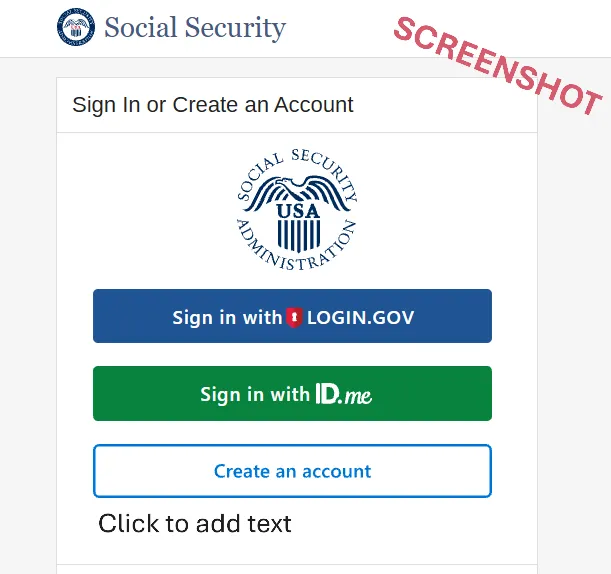
You will use a secure sign in service, either Login.gov or ID.me, to access your Social Security account and verify your identity.
Social Security Website

How to Get Started

  1. Go to the official Social Security Administration website.
  2. Choose Sign In / Create an Account.
  3. Select Login.gov or ID.me as your secure sign in option.
  4. Follow the prompts to create your account and verify your identity.
  5. Once you are connected, you will be able to access your my Social Security account.

Keep your username, password and verification method somewhere safe. This account can be useful long after your initial Medicare enrollment.

Need a little help?

This video from the Social Security Administration walks you through creating your secure online account.

Create Your Account

This Social Security Administration video provides another walkthrough for creating and accessing your secure online account.

ENROLLING IN ORIGINAL MEDICARE

Apply for Medicare, then watch for your card.

Once you are within your enrollment window, you can apply for Medicare through the Social Security Administration.

Step 4: Apply for Medicare Parts A & B

Once you're within your enrollment window, you can apply for Medicare through the Social Security Administration.

For most people turning 65 and leaving other coverage behind, you'll enroll in:

Part A — Hospital Insurance

Most people qualify for premium-free Part A based on their own or their spouse's work history and Medicare taxes paid while working.

Part B — Medical Insurance

Part B helps cover physician services, outpatient care, preventive services and other medically necessary services.

Unlike premium-free Part A, Part B has a monthly premium.

You can generally complete your Medicare application online through Social Security.

Step 5: Watch for Your Medicare Card

Once your enrollment has been processed, you'll receive your Medicare card showing:

  • Your unique Medicare number
  • Your Part A effective date
  • Your Part B effective date

Keep that card somewhere safe.

You'll need your Medicare number and effective dates when you're ready to enroll in additional Medicare coverage.

And yes — this is a great time to call me!

Still Working at 65?

You May Not Need to Do Everything Right Away.

If you or your spouse are still actively working and you're covered through a current employer's group health plan, your Medicare timeline may look different.

Depending on your circumstances, you may be able to delay Part B without a late-enrollment penalty and enroll later using a Special Enrollment Period.

But don't simply assume you should delay Medicare.

Employer size, the type of health coverage you have, whether the coverage is based on current employment, and other factors can affect how your employer plan coordinates with Medicare.

This is one of those times when asking questions BEFORE making changes really matters.

If you contribute to a Health Savings Account (HSA), Medicare enrollment also requires some additional planning because enrolling in Medicare affects your eligibility to make HSA contributions.

Worked Past 65 and Now Ready to Retire?

If you delayed Medicare Part B because you had qualifying employer group health coverage based on current employment, you will generally have a Special Enrollment Period when that employment or coverage ends.

If you already have Medicare Part A and now need to add Part B, Social Security may ask you to complete the following forms as part of your enrollment.

Peggy’s Tip: Don’t wait until your employer coverage has already ended to start this process. Planning ahead can help prevent an unwanted gap between employer insurance and Medicare.

CMS-40B

Application for Enrollment in Medicare Part B (Medical Insurance)

This is your request to enroll in Medicare Part B.

CMS-L564

Request for Employment Information

This form documents the employer coverage you had while you or your spouse were actively working.

Not Sure Which Situation Applies to You?

That's okay. Medicare enrollment isn't exactly one-size-fits-all.

Whether you're turning 65, still working past 65, retiring after 65 or transitioning from employer coverage, your timeline can be different.

You don't have to figure it out alone.

Education First. Relationships Always.

Let's make sure you know what to do — and when to do it.

Schedule a Conversation